Product Description
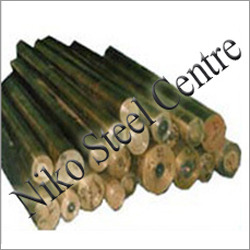
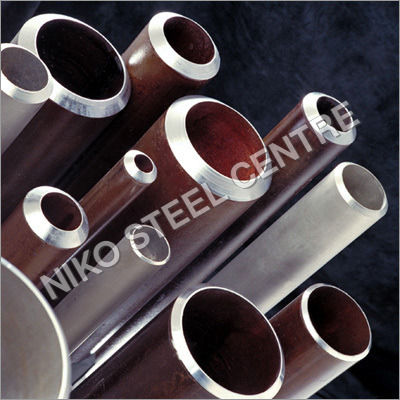
We are indulged in this industry as a well known supplier and exporter of Nickel Base Alloys. To ensure best quality product delivery to our reputed patrons, we rely on certified vendors who manufacture these alloys by making use of superior quality nickel and advanced techniques in compliance with the industrial quality norms. Nickel Base Alloys are widely used for manufacturing different nickel based products that find extensive applications in different industries.
Features of Nickel Base Alloys:
- Sturdiness
- Corrosion resistant
- High quality
Specifications:
- Nickel Alloys Grade: UNS no. 2200, 2201, 4400, 6600, 6025, 6045, 8800, 8810, 8811, 8330, 8825, 8020, 8925, 8926, 8367,10001, 10665, 10629, 10675, 10276, 6455, 6022, 6007, 6985, 6030, 10003, 6002, 6625, 6230, 30556, 6059, 8031. Non-Ferrous
- Metals: Monel, Nickel, Inconel, Hast alloy, Copper, Brass, Bronze, Titanium, Tantalum, Aluminum, Lead, Zinc, Cupro- Nickel
Nickel base alloys are engineered to perform exceptionally well in corrosive, high-pressure, and elevated temperature conditions. Their excellent fatigue strength and impact resistance make them a reliable solution for critical industrial sectors, ensuring durability and safety.
Versatility and CustomizationAvailable in a wide variety of grades, shapes, finishes, and sizes, these alloys can be tailored to precise requirements. Whether you need rigid or flexible options, different machining finishes, or specific connection types, customization is readily available to meet diverse application needs.
Compliance with Global StandardsThese nickel base alloys are manufactured and supplied in accordance with leading international standards such as ASTM, DIN, JIS, EN, and BS. This guarantees consistency, traceability, and compatibility for projects worldwide.
FAQs of Nickel Base Alloys:
Q: How are nickel base alloys typically processed and shaped?
A: Nickel base alloys can be produced in various forms such as round, square, rectangular, sheet, strip, tube, and bar. They undergo advanced manufacturing processes like forging, rolling, extrusion, and drawing, followed by surface treatments including polishing, annealing, pickling, or sandblasting to suit specific application requirements.
Q: What industries benefit most from using nickel base alloys?
A: Industries such as oil & gas, chemical processing, power generation, aerospace, marine, and heat exchangers benefit greatly from nickel base alloys due to their outstanding corrosion resistance, high temperature stability, and excellent mechanical properties.
Q: When should nickel base alloys be chosen over other materials?
A: Nickel base alloys are ideal when applications demand high resistance to acidic or alkaline corrosion, fire resistance, excellent impact and fatigue strength, or performance under high pressure and temperature. Their unique properties outperform conventional materials in such harsh environments.
Q: Where can these nickel base alloys be supplied and exported?
A: These alloys are manufactured, supplied, and exported globally. In India, many suppliers cater to both domestic and international markets, offering worldwide shipping and comprehensive export support.
Q: What is the standard packing and tolerance for nickel base alloys?
A: Nickel base alloys are typically packed in wooden boxes, bundles, or cartons to ensure safe transit. Precision is maintained with tight manufacturing tolerances of 0.05 mm, ensuring high dimensional accuracy for engineering applications.
Q: How are nickel base alloys typically joined or connected in assemblies?
A: Assemblies using nickel base alloys may employ a range of connection types such as welded, seamless, screwed, flanged, threaded (NPT, BSP), and even metal-to-metal or gasket sealing, supporting both rigid and flexible installation requirements.
Q: What are the main benefits of using nickel base alloys in corrosive environments?
A: The primary advantages include superior resistance to acids and alkalis, high fatigue and impact strength, extended operational lifespan, and the ability to maintain integrity at elevated temperatures and pressures, making them ideal for critical, corrosive applications.






 Send Inquiry


 Send Inquiry
 Send SMS


