Threaded Flange About
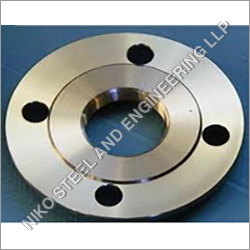
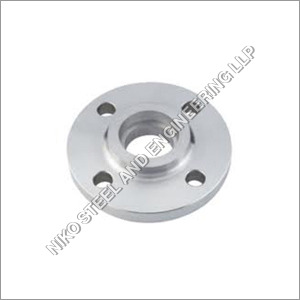
This threaded flange that we manufacture is usually made either from duplex steel, super duplex steel, or some other nickel alloy, stainless steel, or haste alloy to fasten various industrial machinery and electric apparatus components. It is known for its unique thread pattern and is available in a zinc-plated or passivated finish. As it has a specific shape, it can be fixed within a minimal area. It is an easy one to fit and is popular for being accurately dimensioned, having long service life, low maintenance, small size, lightweight design, strong, cheap, and resistant to rust. This threaded flange is also available to tailor to meet specific needs.
It provides leakproof connections in the piping system and is suited for assembly and disassembly quickly. It is designed to withstand high pressure and temperature variation in a demanding environment and to withstand structural integrity. In addition, this has precision threading that ensures a snug fit that would not allow it to loosen over time. With the utmost accuracy and special quality control, it is manufactured with strict quality control measures. This flange is suitable for oil refineries, chemical plants, and power generation facilities for enhancing line efficiency with less downtime. Moreover, its corrosion-resistant surface further increases its lifetime for industrial applications.
FAQs of Threaded Flange:
Q: What type of connection does the Threaded Flange support?
A: The Threaded Flange supports a threaded connection, enabling easy installation and secure pipe connections.
Q: What is the surface finish of the Threaded Flange?
A: The surface of the Threaded Flange is smooth and polished, ensuring a professional and clean appearance.
Q: What material is the Threaded Flange made of?
A: The Threaded Flange is made of durable and corrosion-resistant stainless steel.
Q: What is the shape of the Threaded Flange?
A: The Threaded Flange has a circular shape.
Q: What standard does the Threaded Flange comply with?
A: The Threaded Flange complies with placeholder standards, such as ANSI/ASME B16.5.


 Send Inquiry



 Send Inquiry


 Send Inquiry
 Send SMS
 Call Me Free


