Product Description
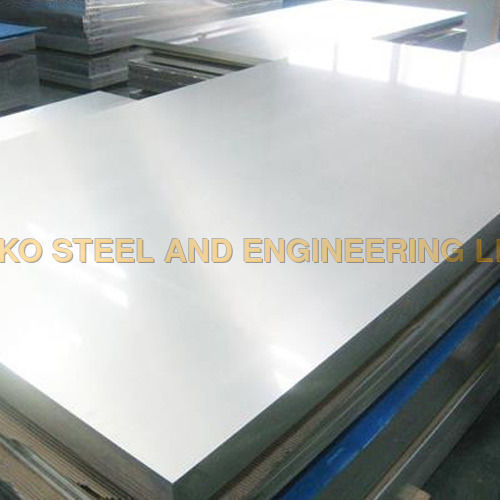
Super Duplex Plate offered by our company, provides outstanding resistance to acids, acid chlorides, caustic solutions and other environments in the chemical/petrochemical, pulp and paper industries. This plate can be used in many different area like chemical processing, pipes for production and transportation of oil and gas, oil and gas exploration. Super Duplex Plate requires very low maintenance and replacement costs. This plate is very easy to install as well as simple to use. This plate is very economical to use.
Outstanding Corrosion and Heat ResistanceSuper Duplex Plate is engineered for exceptional resistance to pitting, crevice corrosion, and stress corrosion cracking, making it well-suited for aggressive environments such as offshore oil rigs, chemical processing plants, and desalination units. With heat resistance up to 300C (572F) during continuous service, this plate ensures operational safety and longevity in high-temperature and corrosive applications.
Versatile Mechanical Properties and FabricationThanks to its high yield and tensile strength, along with a minimum elongation of 20%, Super Duplex Plate offers robust structural integrity. It features moderate machinabilitybest achieved with high-performance toolsand can be reliably welded using proper filler materials and effective techniques. Available in hot-rolled, cold-rolled, pickled, and solution-annealed finishes, the plate supports diverse fabrication and installation requirements.
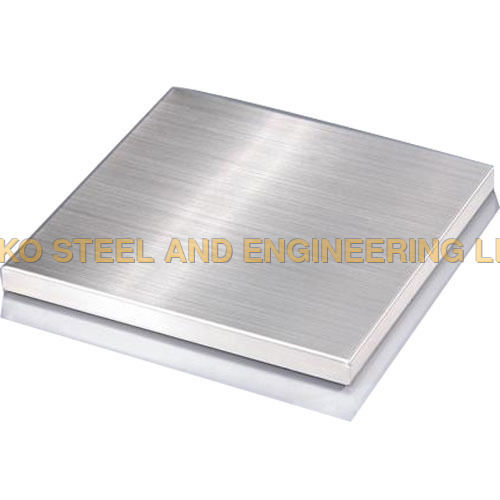
Custom Sizes and Global SupplySuper Duplex Plate is available in various thicknesses (6 mm to 100 mm), with custom cut-to-size options to meet unique project needs. Whether you are an exporter, importer, manufacturer, or supplier in India or abroad, you can source plates with finishes ranging from 2B, No.1, satin, polished, or custom surface treatments, ensuring compatibility with a wide range of applications and standards.
FAQs of Super Duplex Plate:
Q: How does the Super Duplex Plate benefit applications in corrosive environments?
A: The Super Duplex Plate provides superior resistance against pitting, crevice, and stress corrosion, making it highly reliable for environments exposed to seawater, chemicals, or chloride-rich processes. This enhances component longevity and reduces maintenance frequency, crucial for oil & gas, desalination, and chemical industries.
Q: What is the recommended process for welding Super Duplex Plates?
A: Super Duplex Plates offer good weldability when suitable filler materials are used, such as those matching the base metals composition. Adhering to proper welding procedures and post-weld treatments ensures maintained mechanical and corrosion-resistant properties at the joints.
Q: When should I opt for a solution annealed Super Duplex Plate?
A: Solution annealing is recommended when maximum corrosion resistance and mechanical properties are required, particularly for environments susceptible to stress corrosion or after extensive forming processes. It refines the microstructure and restores material performance after fabrication.
Q: What is involved in machining this plate, and what tools are best suited?
A: Machining Super Duplex Plate is moderately challenging due to its high strength and work-hardening rate. Its advisable to use high-performance carbide or ceramic tooling, optimize feed rates, and utilize proper cooling to achieve precision and efficiency.
Q: Where can Super Duplex Plates be utilized most effectively?
A: These plates are ideal for structural and pressure vessel applications in sectors like oil & gas, marine engineering, petrochemical processing, desalination plants, and power generation facilities, particularly where aggressive corrosion and mechanical demands are present.
Q: How does the plates density and strength affect its usage in structural projects?
A: With a density of 7.8 g/cm and a minimum yield strength of 550 MPa, Super Duplex Plate combines high load-bearing capacity with low weight per strength ratio. This enables lighter, yet durable structural designs, reducing overall construction costs and improving operational safety.






 Send Inquiry


 Send Inquiry
 Send SMS


